The Golda Foundation was created in 2001 by Robert W. Yarra (Bobby Yarra) to support projects by a variety of people; among them poets, writers, painters, sculptors, and performers.
The Golda Foundation was created in 2001 by Robert W. Yarra (Bobby Yarra) to support projects by a variety of people; among them poets, writers, painters, sculptors, and performers.
The Golda Foundation was created in 2001 by Robert W. Yarra (Bobby Yarra) to support projects by a variety of people; among them poets, writers, painters, sculptors, and performers.
The Golda Foundation was created in 2001 by Robert W. Yarra (Bobby Yarra) to support projects by a variety of people; among them poets, writers, painters, sculptors, and performers.
The Golda Foundation was created in 2001 by Robert W. Yarra (Bobby Yarra) to support projects by a variety of people; among them poets, writers, painters, sculptors, and performers.
Golda publications for purchase
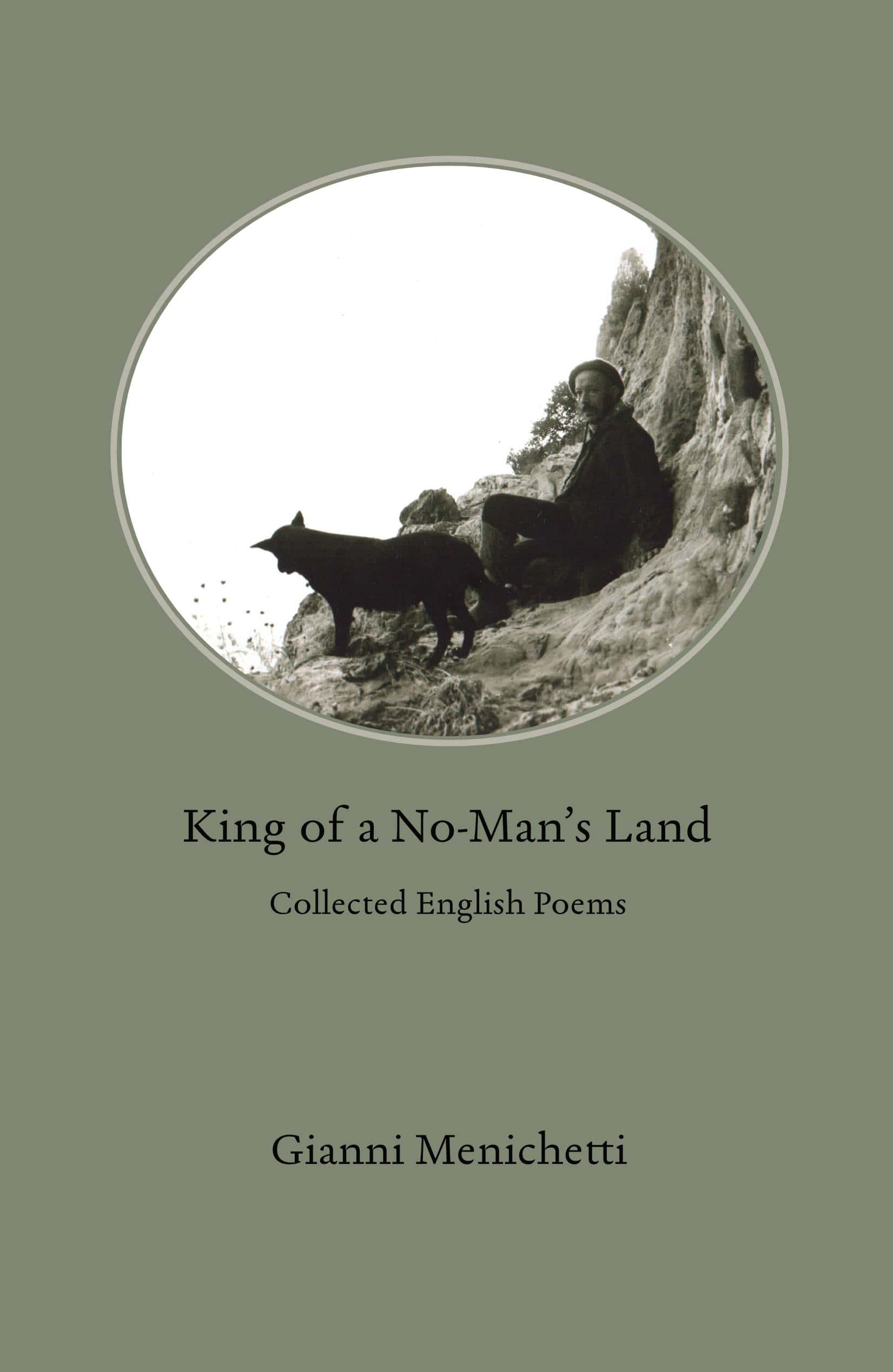
King of a No-Man’s Land
Gianni Menichetti (2026)
The poems in this book make up Gianni Menichetti’s complete poetic works in English, many of which he originally presented in small chapbook editions printed in Italy.
King of a No-Man’s Land is the first collection of his English language poems to be gathered in a single volume.
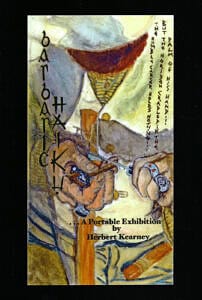
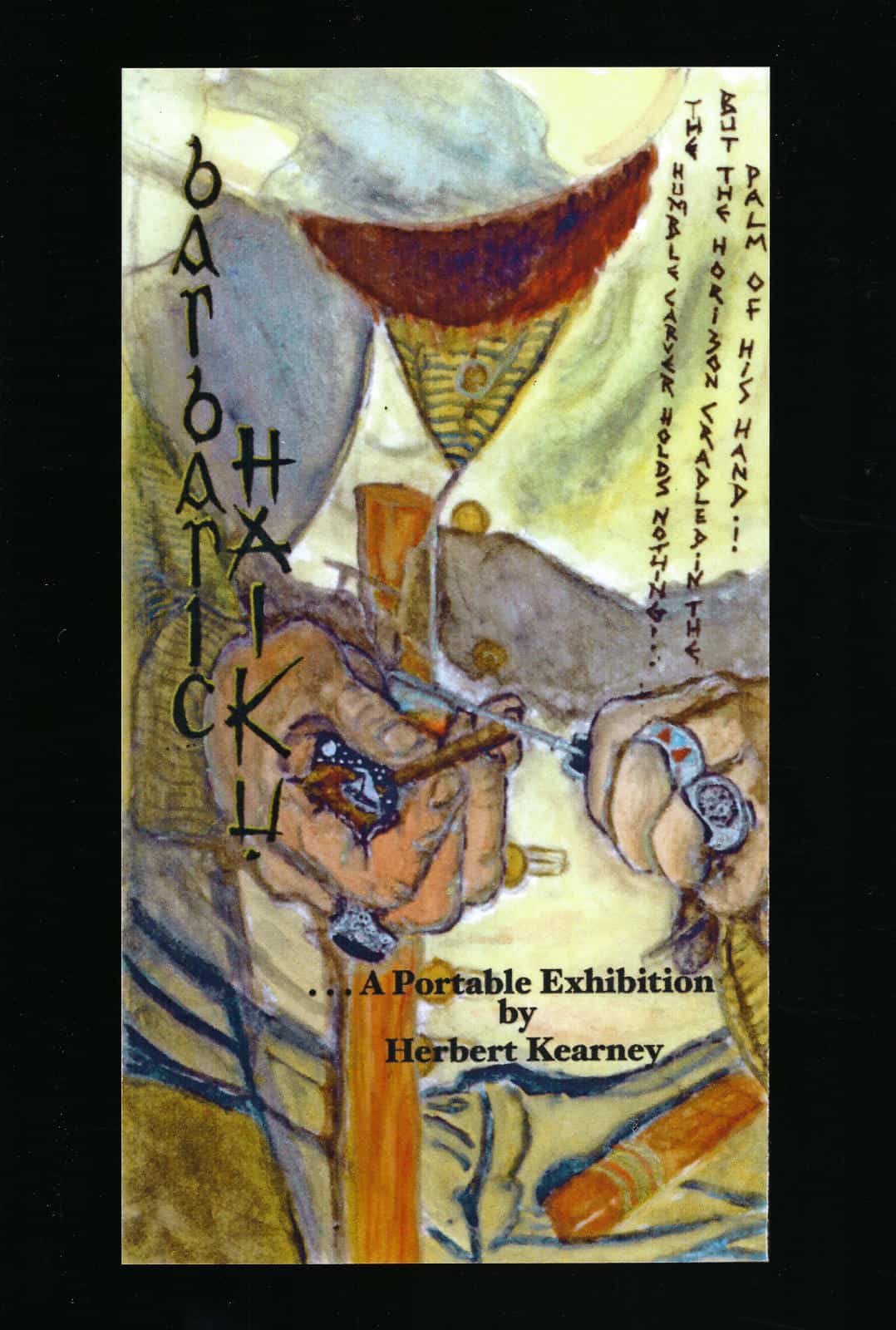
This is a reissue of Barbaric Haiku by Irish-born painter, poet, sculptor, and visionary Herbert Kearney: a Japanese accordion-style book of miniature watercolors and verse.
Barbaric Haiku is a collection of poetry and artwork — a journey across pages that fold and unfold like waves. Enter Herbie’s world of poets, dreamers, outcasts, and lovers where, as Baudelaire advised, one must always “get drunk, with wine, with poetry, or with virtue, as you please.”
ISBN: 979-8-9851293-5-9 Publisher: Golda Foundation Publication Date: 2025 Format: accordion-style book, color prints Pages: ~ 60 Language: English
Buy Barbaric Haiku for $35. This price includes postage within the United States. Order with the Buy Now button.
The Ascent of Mt. Obvious includes poetry, prose, translations and artwork by Ronald Sauer. This posthumous collection spans the period 1979-2019. It features over 60 collages, translations of Baudelaire, Bertrand and Prévert, personal photos of Ronald and friends, as well as poetry and prose written in San Francisco and around the world. The afterword, Dino, was written by Robert Yarra and is available here as a PDF.
ISBN: 979-8-9851293-5-9 Publisher: Golda Foundation Publication Date: 2025 Format: Paperback Pages: 261 Language: English
THE ASCENT OF MT. OBVIOUS: What a wonderful, wonderful book–a trove of treasures! From dazzling, vibrant collages that set the mind thinking, to new translations of PARIS SPLEEN, to offbeat slices of life in Prague, Venice, and North Beach. I love Ron’s use of language. He uses big words, but never just for their own sake, but because they are precisely what he wants to say; and he pays attention to their sound, their rhythm, which fit perfectly into the lines of his poem. I like the way his mind works, and the honesty of his mind. He reports every impression he has, whether embarrassing, politically wrong, or just silly, because this is his life and to record its preciousness is part of his mission as a poet.
I want to send you heartfelt congratulations on the magnificent RFS book you have published. You’ve taken an entire life‘s work and put it in a beautiful form that one can sit with and enjoy. I’ve never seen a poetry book quite like this. Ronald is so fortunate to have you as his protector guide. I was always so distracted and enamored of the principal beats like Corso and Lamantia, I never really gave proper attention to poets like Ronald and Rosemary. But I have now, and I see how wonderful they were. Tate sent me a copy of this book. It’s been a constant companion this past week. Ronald’s translations of Jacques Prévert are the finest I have ever read. He must’ve been a lot of fun to hang out with, although perhaps trying at times? He has an unhinged quality that is sort of the secret to his work.
Raymond Foye
Buy The Ascent of Mt. Obvious for $42. This price includes postage within the United States. Order with the Buy Now button.
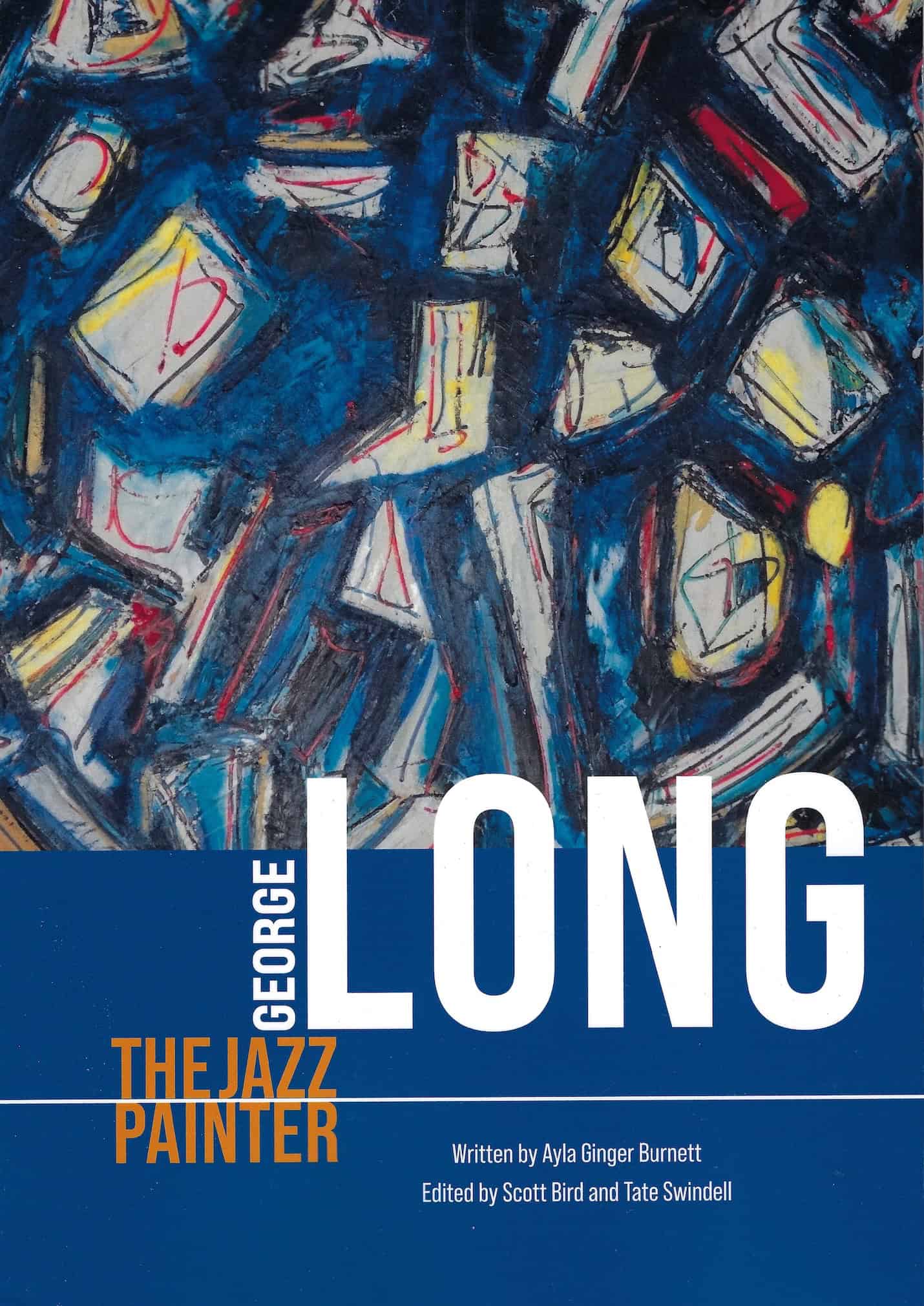
George Long: The Jazz Painter is a selection of paintings spanning from the early 1970s to the present by San Francisco painter and saxophonist, George Long. The book is guided by a series of vignettes and interviews, written by Ayla Ginger Burnett, following the trajectory of Long’s life and artwork.
ISBN: 979-8-9851293-4-2 Publisher: Golda Foundation Publication Date: 2025 Format: Softcover, color prints Pages: 92 Language: English
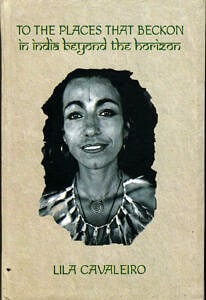
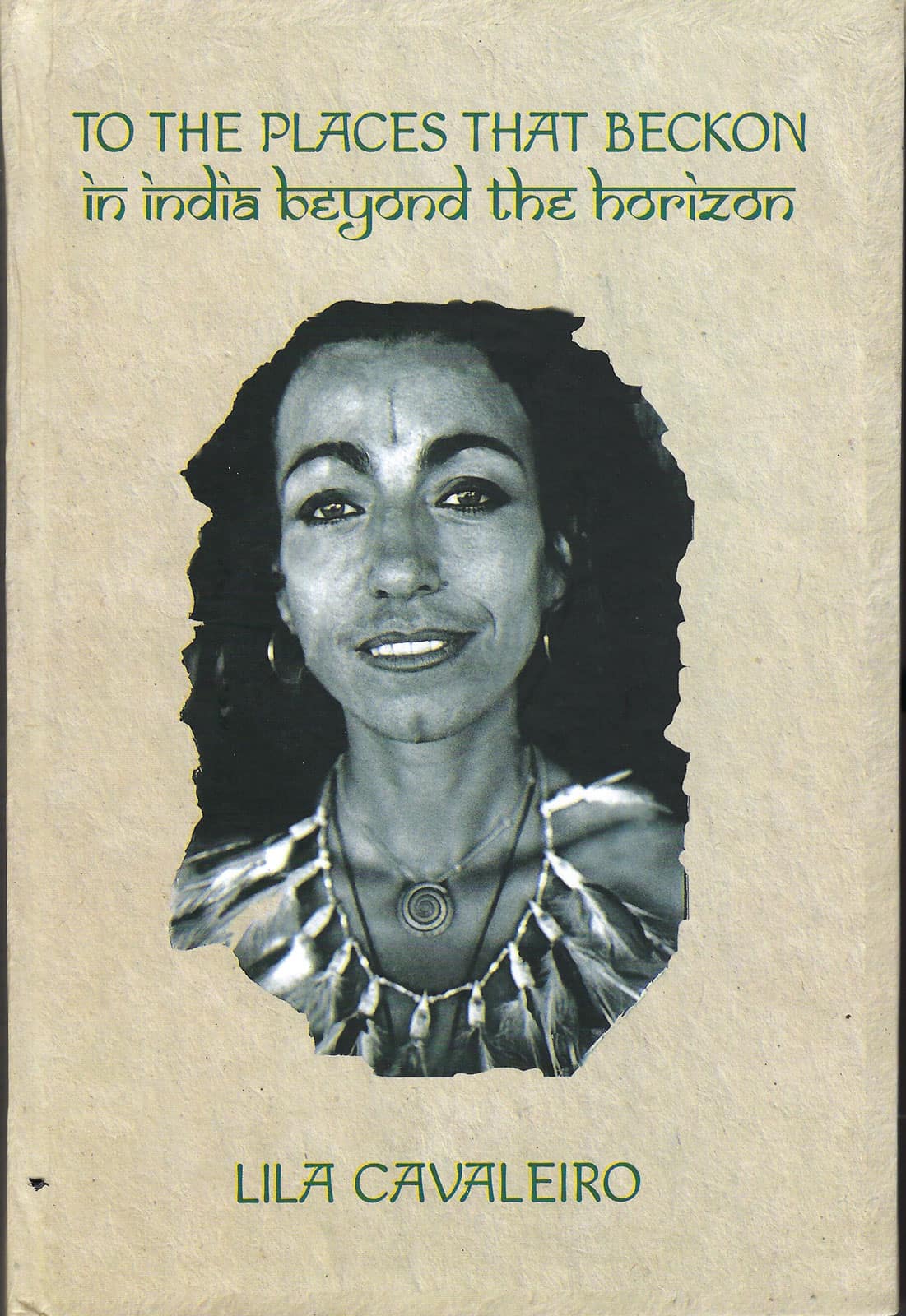
Portuguese traveller Lila Cavaleiro’s memoir, To the Places That Beckon: In India Beyond the Horizon, chronicles the hippie trail origins of her lifelong love affair with India.
In early autumn 1971, Lila Cavaleiro and her man Wim van der Grijn set off from Amsterdam on an overland journey eastward, starting off by catching the legendary Orient Express to Istanbul.
This marked the beginning of a transformative pilgrimage for Lila who went on to spend years discovering India solo. Guided by intuition and destiny, To the Places That Beckon: In India Beyond the Horizon unfolds as a mystical and deeply personal journey, told with humor and courage, shattering old paradigms and exploring new ways of being.
Lila’s story is a feminine odyssey of the soul, immersed in wisdom and wonder–truly a must–read for lovers of freedom, natural magic and the road less traveled. Printed in Kathmandu on handmade Nepali lokta paper, this handcrafted limited edition book is a radiant testament to the playful spirit of the 1970s counterculture.
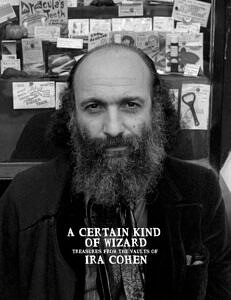
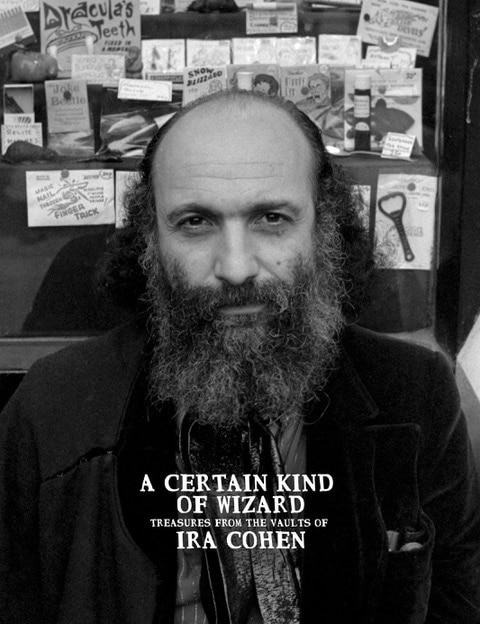
A compendium of work—notebook and diary entries, interviews, music and book reviews, poetry and prose, and photographs—by Ira Cohen.
ISBN: 9781946583369 Publisher: Golda Foundation in partnership with Lithic Press Publication Date: November 21st, 2024 Format: Paperback Pages: 410 Language: English
Poet, photographer, filmmaker, publisher, and dauntless world traveler, Ira Cohen was a mythic figure of boundless energy who was a catalyst for creative scenes in New York, Tangier, Kathmandu, Amsterdam, and wherever else he happened to alight in his wanderings. Cohen knew the best and the brightest — William Burroughs, Gregory Corso, Vali Myers, Brion Gysin, Paul Bowles, and Charles Henri Ford, among so many others. Julian Beck and Judith Malina of The Living Theatre and filmmaker Jack Smith were close friends and often collaborators on artistic projects. A Certain Kind of Wizard includes Cohen’s poetry, photos, interviews, and prose writings from his remarkable journals. This is a book not to be missed.
Publisher’s Note
“A Certain Kind of Wizard,” published jointly by The Lithic Press and The Golda Foundation, evolved directly from a manuscript that Ira Cohen and Jordan Zinovich, his friend and the editor on this project, developed over a period of four months in 2006, painstakingly going over all of Ira’s work. They tried to find a publisher but were not successful, and so, with great regret, they abandoned the project.
Ira Cohen and I were good friends, and I knew and admired a lot of his work, but, after someone sent me a copy of the manuscript and I read it (much of it, especially the prose pieces, I had never seen before), I was blown away by the beauty of it all. And so, I decided to publish this book and honor my friend’s legacy.
I asked Danny Rosen, publisher of the Lithic Press, for practical advice, since Lithic makes such beautiful books. Instead, he suggested that the Golda Foundation and the Lithic Press publish the book jointly, a proposal which I gladly accepted. Danny and I, along with Romy Ashby, the editor, and Ira Landgarten and his photos, are the ones who brought you this book, but it is really the book that Ira and Jordan Zinovich made, working together. Indeed, without Jordan and his dedication, there would probably have been no book at all. So, thank you, Jordan, and, if these thanks come rather late, well, better late than never, I hope.
Robert Yarra
This excellent essay below about Ira Cohen, as well as my “Publisher’s Note,” was not included in the original book, A Certain Kind of Wizard. We are hoping to include them in the Spanish translation that Aurora Dorada Ediciones of Valencia, Spain, is currently working on.
Seek The Hidden Treasure by Ian MacFadyen
These prose texts, interviews, poems and photographs testify to the remarkable life and work of Ira Cohen, and provide a unique picture of the counterculture of the 1960s, ’70s and later. They reveal a way of being in the world which seems unattainable today — the freedom to cross geographical, political, cultural, linguistic and religious boundaries.
Ira played many parts in his time, he was a great performer — a poet by vocation, he was also a photographer, film maker, collage artist, magazine editor, publisher, scholar, actor, magician, story spinner, jazz afficianado, hipster, Great Rememberer, drug connoisseur, spiritual seeker, devotee of Dante, Rumi, Villon, Chatterton and Borges, mythographer, mythologizer, cabbalistic hermeticist, “Electronic Multi-Media Shaman,” and more — “Much more!”
This book documents and evokes Ira’s travels in India, Nepal and North Africa and his study of Hinduism, Islam, Buddhism, the Kabbalah, and occult lore. As he tells George Gatsas in an interview from 2003, he went in search of adventure, he was drawn to other cultures because “I knew them as a poet would know them — by reading poetry that comes from these places and mystical sources.” The counterculture then was community and connectivity, an open underground nexus based upon shared anti-establishment values and spiritual concerns, with its own potlach economy of exchange, hospitality and collaboration, and the little “samizdat’”magazines in which Ira’s work was initially published played a significant role. Included here are two important long poems of the counterculture: “The Stauffenberg Cycle,” written in 1977 in Germany at the time of the far Left Baader-Meinhof Group, a period of increasing militancy and paranoia, and “Notes Of An Alchemist,” from 1983, a celebration of creative and mystical communion in the New York avant-garde loft scene of the late 1960s.
The use of tape recorders was prevalent in the 1960s counterculture and was instrumental in the transmission and circulation of its values and ideas, and Ira appears as both interview subject and interviewer. He was drawn to “those with special knowledge,” exemplified by his interviews with Paul Bowles, Brion Gysin and Charles Henri Ford, inspirational writer-artists of an earlier generation. Ira admired two special “tape books,” William Burroughs’ The Job and Brion Gysin’s Here To Go, and the present book is in that special lineage — transcribed interviews interleaved with relevant written texts, combining the oral and textual impulses of Ira’s discourse, disseminating his ideas and telling the story of his life, his voice “rising up off the page.”
In a 1983 dialogue between Ira and Brion Gysin, Gysin several times wound back the tape and erased parts of the recording at random. Ira was alarmed and protested about the loss of some great material, but Gysin’s response couldn’t have been clearer: “When I say erase the word, I mean erase the fucking word — wipe it out.” For Ira, multiple time zones coexisted and radiated and converged in unwritten present and future time, but the past was irrevocable, incarnated in the Divine Word; it was sacred and must be preserved, and he often quoted the Zohar: “Words do not fall into the void.”
This kaleidoscopic compendium reflects the loves and passions of Ira’s life — listening to the Moroccan trance music of the Jilala, tracking the effects of smoking grass and taking LSD, mescaline and majoon, the wonders of mirror magic and storytelling, Duende and deep feeling in poetry, the religious devotion of sadhus in India, meeting William Burroughs in Tangier. . . Vivid, vibrant memories of Kathmandu, Tangier, Hardwar, Amsterdam, London, Paris, Okinawa, Bombay and Iraklion percolate through the book in a unique synthesis of travel writing, autobiography and prose poetry, Ira evoking place and time through sparkling, jewelled details and heady syntactic jumps in psychic flow, reportage in present time merging with the memories and mythos of vanishing worlds.
There were profound connections between his parents’ deafness and Ira’s visual art and his vocation as a poet, but he could never unravel these threads, or preferred not to. “I was a child of deaf parents,” he said, “I learned to spell on my fingers even before I could talk.” From a very early age he was the interpreter who translated and transmitted the hearing world for his parents, an intermediary between the world “out there” and the silent home, moving between silence and sound, signing and speech. Ira could talk for the world, but listening was important, too, as he had always “listened out” for his parents. “The sounds of the world caress the heart of my ear,” he said, like the sibilant message of the Tangier night when it whispered to him, “Con su permiso. . . “
In Nepal in the early 70s Ira’s partner Petra Vogt filled notebooks with her drawings and writings and Ira became increasingly drawn to the physical act of writing in notebooks; his distinctive script flowing across and around the pages. As in his childhood, reportage and reverie were uniquely intertwined and a poem could begin with “something that actually happened” or with the emergence of a talismanic phrase with a haunting audio-scriptoral insistence, the nucleus of elliptical juxtapositions and streaming associations. Ira’s urgent desire to read a written poem aloud and to give voice to his inner world is revealing, mirroring in reverse his childhood role. He would pay tribute to his mother, Faye, “who taught me how to speak / with my hands / in the language of love” and he would write in notebooks by hand the poems of love which he would then read aloud or “out loud internally.”
Ira’s Mylar photographs exemplify the psychedelic ’60s, but Ira believed that his images transcended mirror distortion as an analogue for drug trips. Rather, as he told fellow photographer Ira Landgarten, he felt he had opened “Pandora’s Box of Cosmic Imagery” and channeled “an unearthly beauty,” the thrilling manifestation of celestial spirits and demonic archetypes. His Mylar photographs were inextricably connected with his love of divination and scrying — mirror, candle flame and crystal gazing took him out of himself into a silent realm of slowly unfolding, transfixing visual enchantment. This process was intimately connected with Ira’s unique portrait photographs of the artists, actors and seekers he knew; his uncanny ability to capture poignant moments, expressive gestures and the mortal beauty of the human face.
In 1999, Ira told poet, translator and scholar John Solt that psychoactive drugs had affected his work “to the very core.” They helped him become aware of his natural synesthesia, driving the sensorial correspondences of his creativity through different media. They also played their part in Ira’s fascination with the Akashic Records, conceived as an immense astral photographic film and audio bank through which the entire history of human thought-forms and experiences may be read and heard. Ira wrote of “tongues quelled by history” and believed the Akashic gave “sky speech” to the deaf and speechless and to those silenced by oppressive regimes, and it corresponded with his own experience of “unattended moments” of transcendental awareness. Like William Burroughs, Ira recognized such experiences and their place in his thought and art was crucial.
Towards the end of his extraordinary life, Ira wrote that “greed has infected the human heart”, and he saw violence and degradation everywhere. He grieved and he suffered the Deep Blues, but he never gave up his lifelong quest for holistic pattern and spiritual meaning, and he continued to “seek the hidden treasure.” In his poem “Cat’s Cradle” he wrote: “Once on a dark night full / of glittering stars above the Coromandel coast / I looked up to see the sympathetic strings / red & blue, which held the sky / together by natural law. / I have never seen them since, /but I know they are still there.”
Ian MacFadyen, London, April 2022
Buy A Certain Kind of Wizard for $35. This price includes postage within the United States. Order with the Buy Now button.
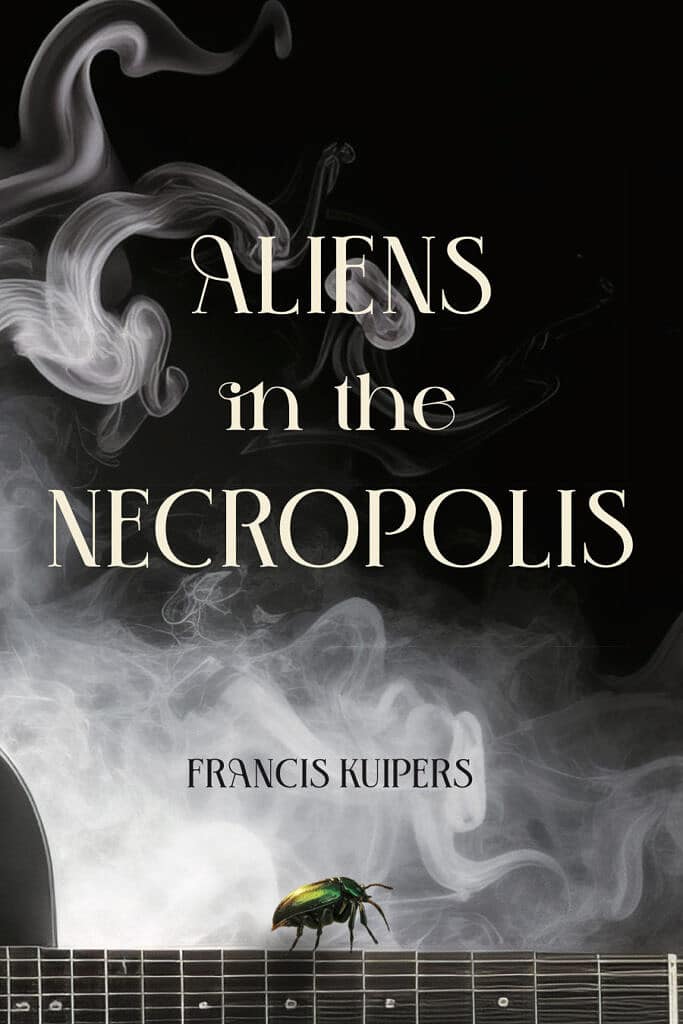
Aliens in the Necropolis is the latest book of short stories by Anglo-Dutch singer/songwriter, ethnomusicologist, and composer Francis Kuipers. Nicknamed ‘Superguitar,’ he was guitarist for Beat Generation poet Gregory Corso for several years starting in the 1980s. His film credits include Godfrey Reggio’s Anima Mundi, Naqoyqatsi and Evidence, with Philip Glass, and musical compositions for Abel Ferrara’s Mary, Go Go Tales, 4:44 Last Day on Earth and Napoli, Napoli, Napoli. His conducted radio broadcasts include series programmes for NZBC New Zealand and for RAI III Italy.
From 1992 to 1996 he directed the Music & Sound Department at Fabrica, the Multimedia Communications school founded by Luciano Benetton and Oliviero Toscani. His recorded music has been released by Red Records, Fonit-Cetra, and Gypsy Records, among others.
His first novel, Disaster Blues (2017), was published in the UK by Barncott Press.
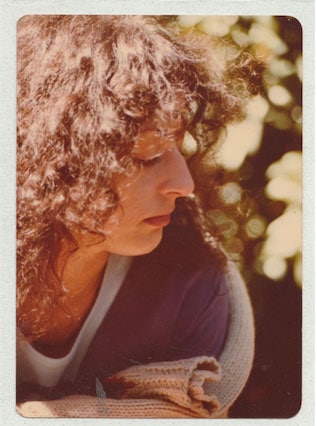
The late poet Rosemary Manno moved to San Francisco in 1983. She grew up in Buffalo, New York and lived in Paris whenever possible. Most winters she would travel to her beloved Mexico with artist/musician Roger Strobel. They shared a home life in North Beach for many years.
Rosemary was a poet, artist, lover of foreign tongues, the natural world, and revolutionary struggle. Her work has appeared in numerous chapbooks, magazines, and anthologies.
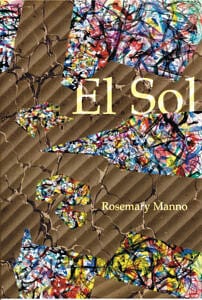
El Sol is a posthumous collection of poems that Rosemary and editor Tate Swindell worked on during the final years of her life. Faced with a terminal diagnosis of brain cancer, her poems deal with the fragility of life with an uncompromising and unwavering fierceness that embodies the true spirit of Rosemary Manno.
ISBN: 9798985129304 Publisher: Golda Foundation Publication Date: October 24, 2023 Format: Paperback Pages: 76 Language: English
Buy El Sol for $21. This price includes postage within the United States. Order with the Buy Now button.
The stories of this strange Valley of ‘Il Porto,’ where Vali lived and where I still live today, have been mostly preserved by oral tradition. There is nothing reliable about the stories in a true historical sense, but there are some interesting popular legends. I learned them from certain old folks I have known since my first year of living here, 1971.
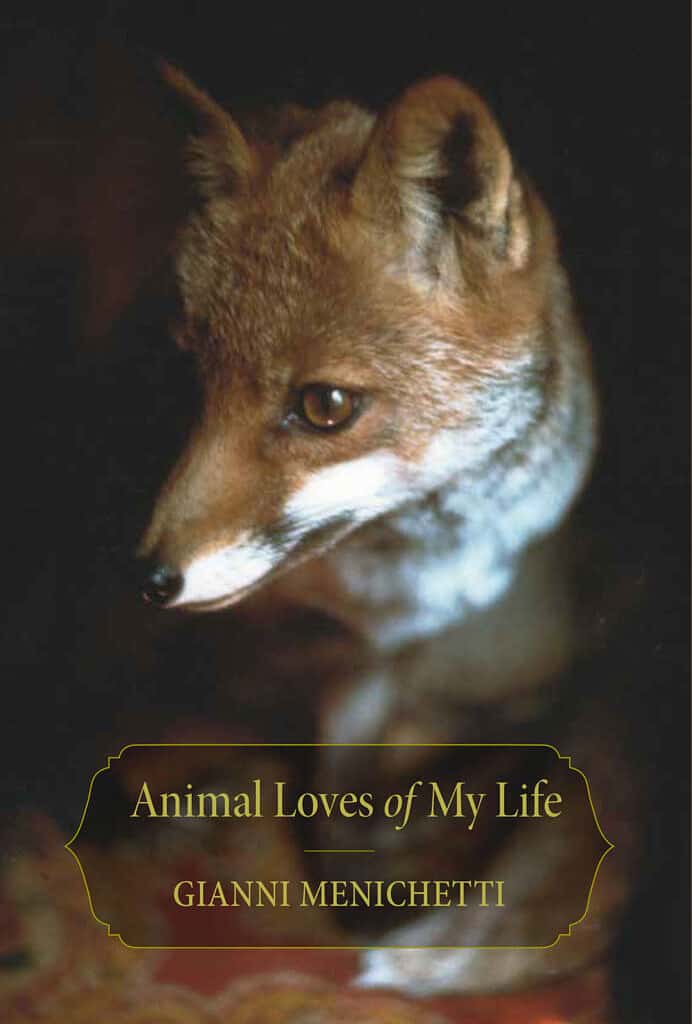
Artist and poet Gianni Menichetti can be counted as one of ‘certain old folks’ himself now, one who knows and remembers so much, still living in the wild ‘Valley’ above the town of Positano with his family of animals. Over the years Gianni has preserved many beautiful animal legacies in both writings and in drawings, and this book contains some of his most treasured stories from the great vault of his memory.
Gianni Menichetti was born near Siena, Italy, in 1952. Since 1971 he has lived in the Wildlife Oasis of ‘Il Porto,’ a sanctuary of rare and savage beauty, the ‘kingdom by the sea’ of legendary Australian artist Vali Myers, whose extraordinary existence he shared for three decades. By her side, he dedicated himself to the protection of this wild place and to the care of countless animal creatures. Over the last twenty years, on his own, he has continued his promise to the Valley of Il Porto and its many animal inhabitants, and this book, edited by Romy Ashby, tells the stories of some of his favorites among them, illustrated with photographs and drawings.
“Since 1971 Gianni Menichetti has lived in the Valley by the sea in Positano, many of those years as consort to the mythic Australian artist Vali Myers, and for many years alone. First graced by Vali’s Saint Francis of Assisi gift of animal communication, Gianni has been nursemaid, midwife, caretaker, protector, and friend to hundreds of animals who have lived in peace in the beautiful wild Valley on the Amalfi Coast. In Animal Loves of My Life Gianni treats us to an intimate meeting with the unique animal friends from his and Vali’s life. This is a soothing book for harrowing times that will confer its magic on you forever.”
Penny Arcade NYC
ISBN: 9798985129311 Publisher: Golda Foundation Publication Date: October 24, 2023 Format: Paperback Pages: 142 Language: English
Buy Animal Loves of My Life at the special discount price offered by Golda:
Buy Animal Loves of My Life for $30. This price includes postage within the United States. Order with the Buy Now button.
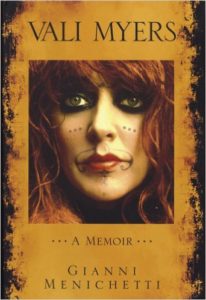
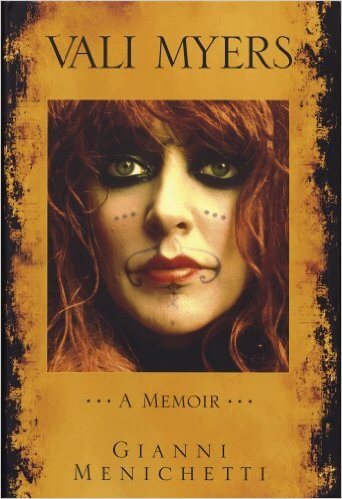
A legend in her own time, Australian artist Vali Myers was the premiere dancer with the Melbourne Modern Ballet at the age of seventeen. Leaving home in 1950, she spent years in Paris, where the Dutch photographer Ed van der Elsken photographed her and some of the other young people hanging out in the cafes. Those photos became the book, Love on the Left Bank. During that period she befriended George Plimpton, who published an article about her, along with some of her drawings, in The Paris Review.
In 1958, Vali and her then-husband Rudi Rappold made a home for themselves in the wild Valley of Il Porto in Positano, Italy, where she would live for the next forty years, working on her exquisite drawings and looking after a large menagerie of animals. After much effort, she succeeded in having the Valley designated a protected wildlife oasis. When she returned to Australia in 1993 for the first time since she’d left, she found herself welcomed as a national treasure. In this memoir by her long-time companion Gianni Menichetti, Vali’s life and life’s work are brought into beautiful, clear focus with wit, candor, and affection.
ISBN: 9780978560607 Publisher: Golda Foundation Publication Date: August 2, 2006 Format: Hardcover Pages: 244 Language: English
Buy Vali Myers, A Memoir for $35. This price includes postage within the United States. Order with the Buy Now button.
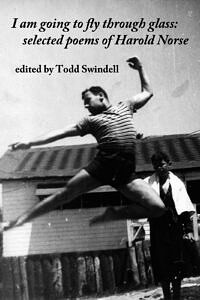
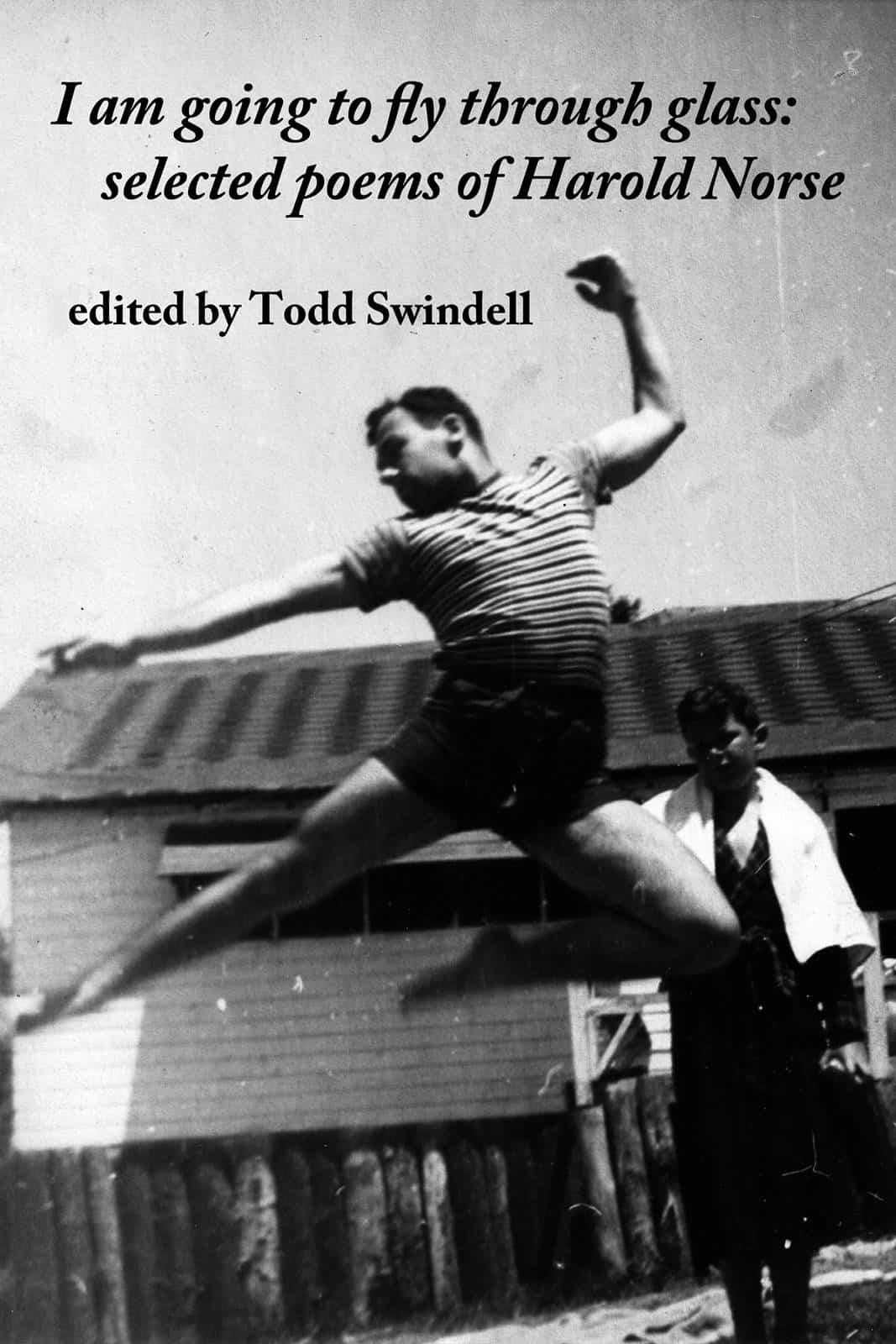
Masterfully edited by Todd Swindell, I Am Going to Fly Through Glass offers a brilliant introduction to the work of one of the twentieth-century’s foremost poets, designated by William Carlos Williams as “the best poet of [his] generation.”
Harold Norse tumbles out of time and lands on the page once again, a dancing beast, bastard angel, and carnivorous saint, all self-descriptions. He was a poet of extraordinary energy, a master of mindfulness and imaginative power. For those of us fortunate to spend time with Harold, the light sparkled. In conversation we could be on the cobblestones of Paris, the grid of streets that is Manhattan Island, the twisting paths of the island of Hydra in Greece’s Saronic Gulf on the Aegean Sea, or in San Francisco’s Cafe Trieste, where the poet held court in the early 1970s, halcyon days when City Lights Press published his now classic Hotel Nirvana in the Pocket Poets Series edited by Lawrence Ferlinghetti.
Harold would be bundled in wraps, no matter the weather, always with a cappuccino or espresso before him. In those days, he’d rattle off Italian to Yolanda, the sister of the cafe’s owner, Gianni Giotto. It was obvious that Harold had the hand gestures down as well as the language, and many a visitor from Rome or Milan found a willing ear in the dancing beast, who was sure to tell them he had translated the wild and raucous sonnets of G. G. Belli, the 19th-century poet. The cafe was captured in the now classic “At the Trieste,” a poem that begins with Norse’s description of reading Virgil’s Eclogues, and ends in a corner cafe. –Neeli Cherkovski
ISBN: 9781584981107 Publisher: Talisman House Publication Date: 2014 Format: Paperback Pages: 179 Language: English
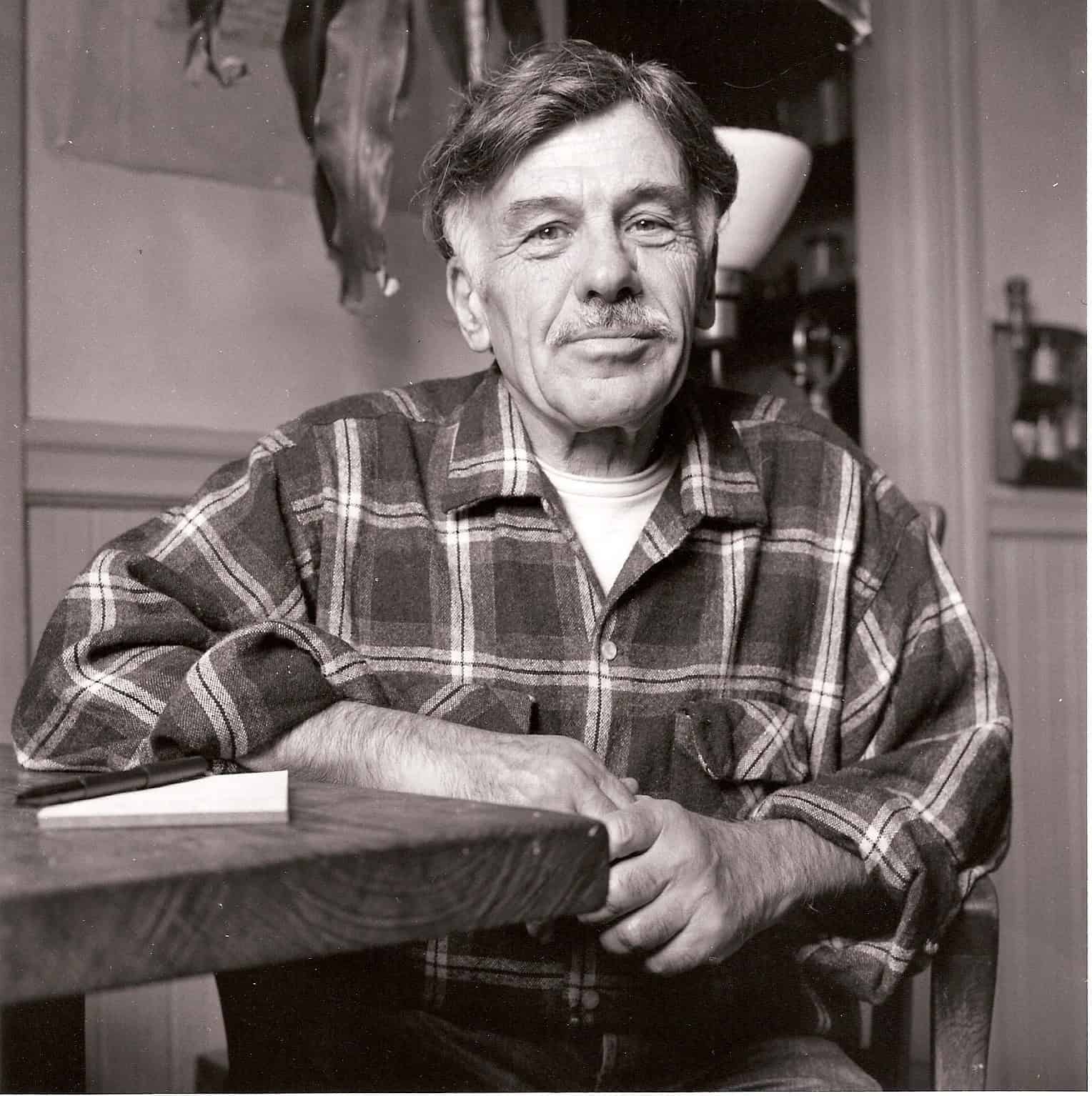
Photo by Allen Ginsberg, 1988
Buy I Am Going to Fly Through Glass for $22. This price includes postage within the United States. Order with the Buy Now button.
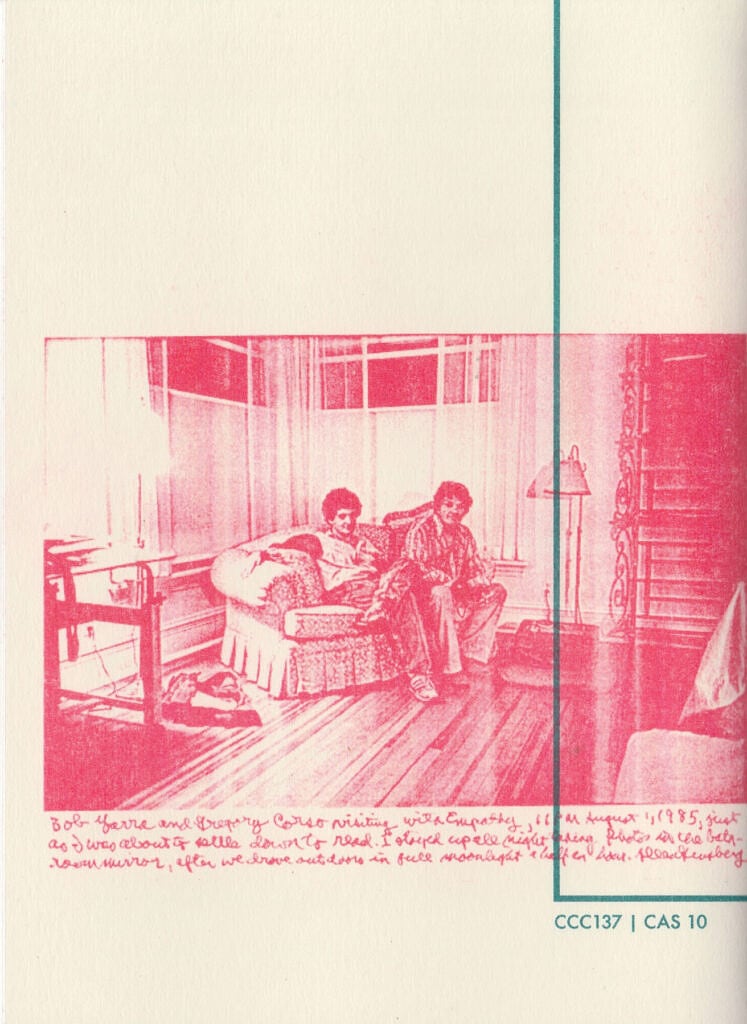
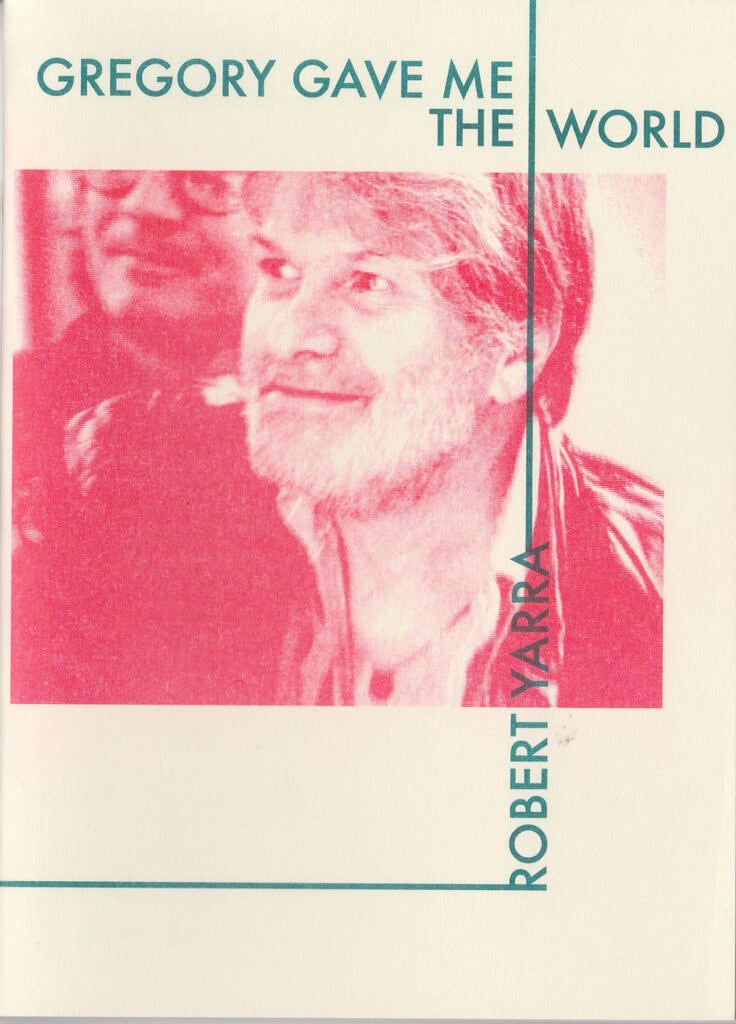
This chapbook is an intimate look at Robert Yarra’s friendship with Gregory Corso. It is replete with anecdotes and tales from their many travels together in Europe, as well as time they spent in the United States, from New York City to San Francisco. 32 pages. Illustrated with color photos.
This chapbook was published by Counter Culture Chronicles, The Hague, Netherlands. It is available for purchase on both the Golda Website and for purchases outside the US, Counter Culture Chronicles sells through soundohm.com.
Buy Gregory Gave Me the World for $15. This price includes postage within the United States. Order with the Buy Now button.